
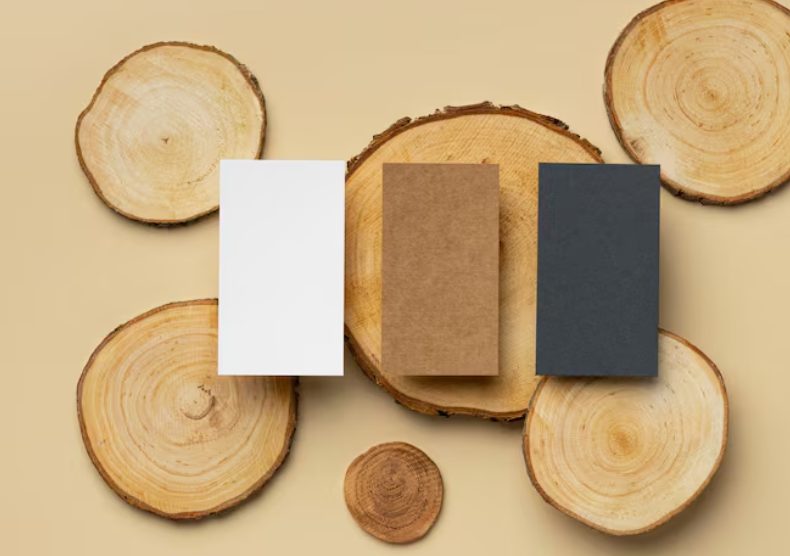
A hotel key card is probably one of the last things a guest thinks about when booking a room. They collect it at reception, use it to enter their room, and get on with their stay.
But for a hotel, these little cards are part of everyday business. New guests arrive, cards go missing, some get damaged, and others never make their way back to reception.
Now imagine managing hundreds of rooms. That's a lot of key cards over time.
This is one reason hotels may want to look beyond conventional plastic cards. Eco-friendly hotel key cards in Saudi Arabia offer another option, with materials such as bamboo and wood giving hotels a different look and feel.
Of course, changing the material is not as simple as ordering a new design. The cards still need to work with the hotel's door locks, hold up to regular use, and fit the budget.
So, if your hotel is thinking about making the switch, here's what you should know before placing an order.
Plastic key cards are popular for a reason. They are familiar, practical, and widely used in hotels. There is no need to replace a system that works simply for the sake of changing it.
Still, it is worth asking whether every card needs to be made from the same material.
For hotels reviewing their environmental choices, bamboo and wooden cards are alternatives to explore. They also offer a different appearance, which may suit properties that prefer natural materials in their rooms and reception areas.
For example, a resort with wooden furniture and earthy colours might find a bamboo card a better match for its overall design. A business hotel may prefer a simple wooden card with its logo printed on it.
There is another thing to consider. Guests often take their key cards home by mistake, while others lose them during their stay. Hotels need a practical way to manage replacements, regardless of the material they choose.
Switching to a different card material will not solve every waste problem. However, it gives hotel managers another purchasing decision to review as part of their wider efforts to reduce unnecessary waste.
Think about the key cards guests usually receive at check-in. They are often plain, with the hotel name or logo printed on the surface.
Bamboo hotel key cards offer a more natural-looking alternative to standard plastic cards. They can be a good fit for hotels that want something a little different without changing the way guests access their rooms.
Bamboo is technically a type of grass. Wooden hotel key cards are another option, and the appearance varies depending on the material and finish.
Depending on the product, hotels may be able to add their logo through printing or laser engraving. This gives them some flexibility when choosing a design.
But appearance is only one part of the decision.
A bamboo or wooden card still needs the right RFID technology to work with the hotel's electronic locks. The material also needs to suit the way the cards will be handled and stored.
And one important point: a card made with bamboo or wood is not automatically biodegradable or compostable. The chip, adhesives, coatings, and other parts of the card can affect how it should be disposed of.
That is why it is worth checking the actual product specifications instead of relying on the word eco-friendly alone.
Let's say you manage a hotel in Riyadh or Jeddah and want to replace your current plastic key cards with wooden ones.
You probably don't want to order hundreds of cards only to discover that they do not work with your door locks.
A few checks before ordering can save you that trouble.
Before looking at designs or prices, find out which key cards your hotel currently uses.
Some hotels use RFID cards, while others use magnetic stripe cards or different access technologies. If your property uses RFID, the replacement cards must meet the requirements of your existing system.
Ask your maintenance or IT team for the card specifications. If you do not have them, your door lock supplier may be able to help.
You should find out:
Share these details with the supplier before discussing a bulk order. It makes the selection process much easier.
This is a step worth taking, even if you like the product photos.
A wooden card may look great on a screen, but you need to see how it feels in your hand. Is the finish smooth? Is the logo clear? Does the card feel suitable for everyday use?
More importantly, does it open your hotel room doors?
Ask the supplier for samples and test them with your actual locks. Have your front desk team try encoding and issuing them, too.
Think about the situations the cards will face. Guests may carry them in their pockets, keep them in bags, or handle them several times a day.
Ask the supplier about expected durability and care instructions. These details matter more than choosing a card simply because it looks attractive.
A key card does not need a complicated design to look good.
For some hotels, a logo and hotel name are enough. Others may prefer a more detailed design that matches their branding.
A resort might choose a natural wood finish, while a city hotel may prefer a clean design with a small engraved logo.
Depending on the card, customization options may include UV printing or laser engraving.
Before approving the design, check the logo placement, spelling, colours, and finish. If you operate several hotels, decide whether you want the same design across all properties.
It is also a good idea to confirm whether the chosen printing or engraving method is suitable for the card material.
The price of a key card is only one part of the cost.
Bamboo and wooden hotel key cards may cost more than conventional plastic cards, depending on the material, chip, design, and order quantity.
Before making a decision, ask the supplier a few straightforward questions:
For hotels in Saudi Arabia, delivery arrangements and lead times are particularly worth confirming before an upcoming opening, renovation, or planned change.
It is also useful to compare the expected service life of each option. A lower price may not be the best deal if the cards need to be replaced more often.
You do not need to choose the most expensive option. You need one that works for your property, your guests, and your budget.
Once the cards have passed testing, decide how you want to introduce them.
If your current cards are still working, you may not need to replace all of them at once. You could start with a small batch and use the new cards as existing stock runs low.
Make sure reception staff know how to encode and issue them. They should also know what to do if a guest reports a problem.
If you manage more than one property, consider testing the cards at one hotel first. Your team can see how they perform during normal operations before placing a larger order.
This is a simple way to make the change without creating unnecessary work for the front desk.
Changing card materials raises another practical question: what happens to the cards you already have?
If an old card is still in good condition, check whether your access system allows it to be reused. Some cards can be re-encoded, depending on the system and card type.
Damaged cards need a different approach. Ask your supplier whether the cards can be recycled through an appropriate facility or whether another disposal method is recommended.
The same care applies to new bamboo and wooden cards. Their natural appearance does not mean that every part of the card can go into a compost bin.
A little planning helps your team manage both old and new cards properly.
Once you know which type of card you need, choosing a supplier becomes much easier.
You do not need a long checklist full of technical terms. Start with the things that could cause problems later.
First, check compatibility
The supplier should be able to confirm whether the cards meet your door lock requirements.
Next, look at the material and finish
Ask what the card is made from, how it is expected to hold up, and what care it needs.
Then, discuss customization
If you want your logo printed or engraved, ask for a sample or design proof before approving the order.
Finally, confirm the practical details
These include pricing, minimum quantities, production time, delivery to Saudi Arabia, and replacement orders.
If a supplier describes its cards as biodegradable, compostable, or recyclable, ask what evidence supports that claim. It is better to know exactly what you are buying than to rely on a broad environmental label.
If you are exploring alternatives to plastic cards, wooden RFID hotel key cards are worth considering.
Dennison Business Solutions LLC offers wooden RFID hotel key cards, including options made from bamboo. Depending on the product, hotels can also explore customization options such as UV printing and laser engraving.
Before placing an order, share your existing card specifications and explain what you need. This helps you find out which options may suit your door locks and branding requirements.
You can explore the wooden RFID hotel key cards offered by Dennison Business Solutions for more information.
Changing your hotel key cards may seem like a small decision, but it is worth getting the details right.
Bamboo and wooden cards give Saudi hotels another option if they want a natural-looking alternative to conventional plastic cards. They can also be customized to suit the hotel's design.
The important thing is to look beyond appearance. Check that the cards work with your door locks, ask for samples, compare costs, and understand how the cards should be handled at the end of their useful life.
If you are considering the change, Dennison Business Solutions LLC can help you explore wooden RFID hotel key cards and available customization options. Visit the product page to review the options and discuss your hotel's requirements.
Hotels can explore wooden and bamboo hotel key cards through suppliers serving the region. Before ordering, confirm the available materials, RFID specifications, customization options, and delivery arrangements.
They may work if their RFID chip and other specifications match your access system. Ask your lock supplier or card provider to confirm compatibility, and test a sample before placing a large order.
They may cost more, depending on the material, chip, design, and order quantity. Ask for a quote and compare the expected service life, not just the initial price.
Yes, customization may be available through methods such as UV printing or laser engraving. The options depend on the specific card, so ask the supplier to show you the available finishes before ordering.
Not necessarily. Although bamboo is a natural material, the complete card may contain an RFID chip, adhesives, inks, or coatings that affect disposal. Check the supplier's information before treating the card as biodegradable or compostable.