
Every guest who checks in gets a key card, and every card eventually becomes waste. For a 300-room hotel, even modest turnover adds up to thousands of cards a year, and most are discarded after a single stay.
As sustainability reporting becomes part of hotel operations, key cards are an easy item to overlook and an easy one to improve.
This guide explains how hotels can measure the environmental impact of their key cards and use that data to choose better materials.
Hotels often focus on energy, water, and linen programs, but small, high-volume items add up. Standard PVC cards are durable, but they are made from plastic that doesn’t break down easily and is rarely recycled once an RFID chip is embedded. Auditing key cards gives you:
Start with your purchasing records. Add up how many cards you bought in the last 12 months, then compare that with occupancy and check-in numbers.
Track three figures:
The gap between cards purchased and cards returned shows how much ends up as waste. Many hotels find they’re over-issuing, and fixing that is the fastest win.
Material is the biggest driver of a card’s footprint. The main options are:
Record the material, weight, and size of each card type. These figures feed directly into your impact calculations.
Weigh a sample of cards and multiply by annual volume to find the total material consumed. For example, if a card weighs 5 grams and you use 10,000 a year, that’s 50 kilograms of material. Do this for each card type and compare.
Then ask your supplier for:
A fair comparison looks beyond the card itself. A basic life-cycle view covers four stages:
Sourcing. Where do the raw materials come from? Fossil-based plastics, plant-based polymers, and managed forests have very different footprints.
Manufacturing and transport. Production energy and shipping distance both add emissions. Ordering in fewer, larger batches and choosing suppliers closer to your region can cut transport impact.
Use phase. How long does the card last? A card that survives multiple stays or repeated programming has a lower per-use footprint than one replaced often.
End of life. This is where materials differ most. Can the card be recycled, composted industrially, or reused? Or does it go to landfill? Note that RFID chips and antennas can complicate recycling, so ask suppliers how the inlay is attached and whether it can be separated.
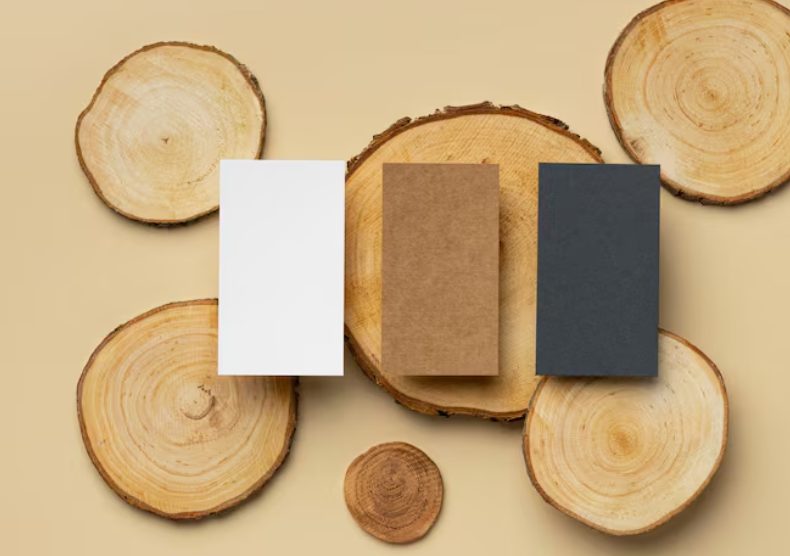
Once you have your data, build a simple scorecard. Here’s how the three main sustainable options typically compare:
Paper hotel key cards are lightweight and made from renewable fiber. They suit hotels with shorter stays or high guest turnover, and they’re often easiest to dispose of responsibly. If you’re exploring this route, see DBS’s range of paper RFID hotel key cards.
PLA hotel key cards look and feel like traditional plastic cards but use a plant-based material, which reduces reliance on fossil resources. They’re a good fit if you want familiar durability with a lower-carbon material. Check the options for PLA RFID hotel key cards. Keep in mind that PLA typically needs industrial composting facilities to break down, so check what’s available locally.
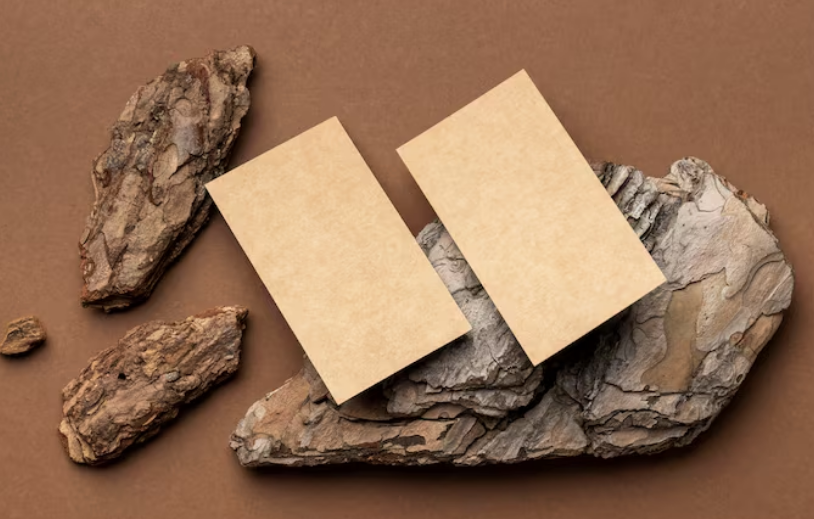
Wooden RFID key cards make a strong visual statement for boutique hotels, resorts, and eco-lodges. They’re available in woods such as beech, bamboo, and cherry and can be engraved or printed. Browse wooden RFID hotel key cards to see customization options.
For the full catalog, including PVC and magnetic options for comparison, visit the hotel key cards category.
Pick a handful of metrics and review them every quarter:
If your hotel group has a carbon accounting tool, ask your supplier for emissions data per card or per batch so you can enter it directly.
The greenest card is the one you never have to produce. Alongside switching materials, consider these steps:
Once you’ve measured and improved, share the story. Mention your sustainable key cards in booking confirmations, at check-in, and in your annual sustainability report. Guests respond well to specifics, such as “We now use plant-based key cards and reduced plastic card purchases by a set percentage,” rather than vague green claims. Be accurate and avoid overstating: a card that is “compostable” only under industrial conditions shouldn’t be described as “biodegradable anywhere.”
Measuring the environmental impact of key cards doesn’t require a complex study. Count your cards, record the materials, look at the life cycle, compare alternatives, and track progress. Whether you choose paper hotel key cards, PLA hotel key cards or wooden RFID key cards, a measured approach lets you make changes that are credible, cost-aware, and meaningful to guests.
DBS offers eco-friendly hotel key card options, including paper, PLA, and wooden RFID cards, with custom printing, engraving, and a choice of chips to match your lock system. Tell us your annual volume and design needs, and our team will recommend the right material for your property.
Contact DBS today for a quote, or message us on WhatsApp.
What is the most eco-friendly hotel key card material?
There isn’t one answer for every hotel. Paper hotel key cards use renewable fiber, PLA hotel key cards use plant-based material, and wooden RFID key cards use sustainably sourced timber or bamboo. The best choice depends on your guest volume, local disposal options and brand style.
Are PLA hotel key cards biodegradable?
PLA is a bioplastic made from plant sources, but it usually breaks down only in industrial composting conditions, not in a home compost bin or landfill. Check whether your area has suitable facilities before making compostability claims.
Do paper hotel key cards last as long as plastic ones?
Durability depends on the paper grade and any coating. Paper cards work well for shorter stays and typical hotel use. For longer-stay properties, ask your supplier about reinforced options and expected lifespan.
Are wooden RFID key cards reliable with hotel locks?
Yes. Wooden RFID key cards use the same chip technologies as standard cards, such as Mifare, so they can work with compatible lock systems. Always confirm chip type and lock compatibility with your supplier before ordering.
How can a hotel start measuring its key card footprint quickly?
Begin with three numbers: cards purchased per year, cards returned, and card weight. Multiply weight by volume to get total material use, then compare materials and set a quarterly target to reduce waste.