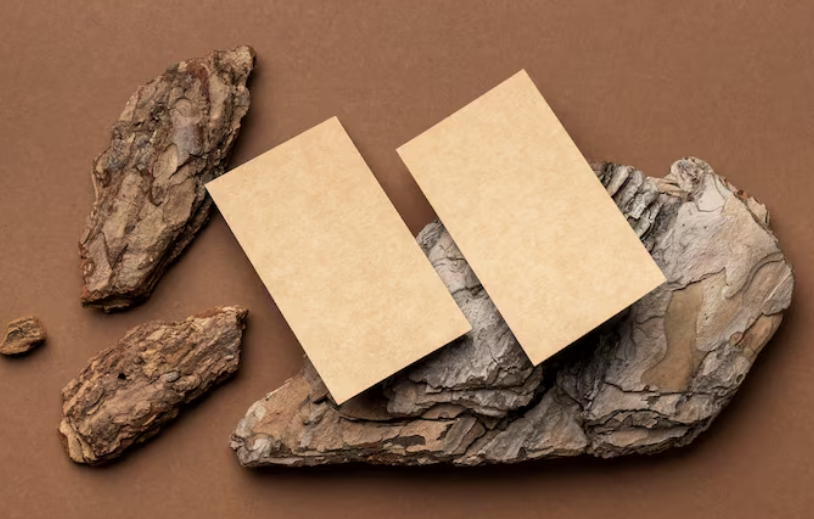

Businesses everywhere are rethinking their plastic footprint, and access cards are no exception. Wooden RFID cards are becoming a go-to choice for companies that want contactless technology without the environmental guilt. Let's look at who's using them and why.
Wooden RFID cards function just like standard plastic ones. An RFID chip is embedded inside the card, allowing it to communicate with card readers for access control, payments, or identification. The difference is the material. Instead of PVC, these cards use sustainably sourced wood or bamboo cards as the base layer from wooden RFID cards suppliers, with the chip and antenna built in during manufacturing.
The wood is treated and layered so it holds up to daily handling while still supporting laser engraving for custom branding.
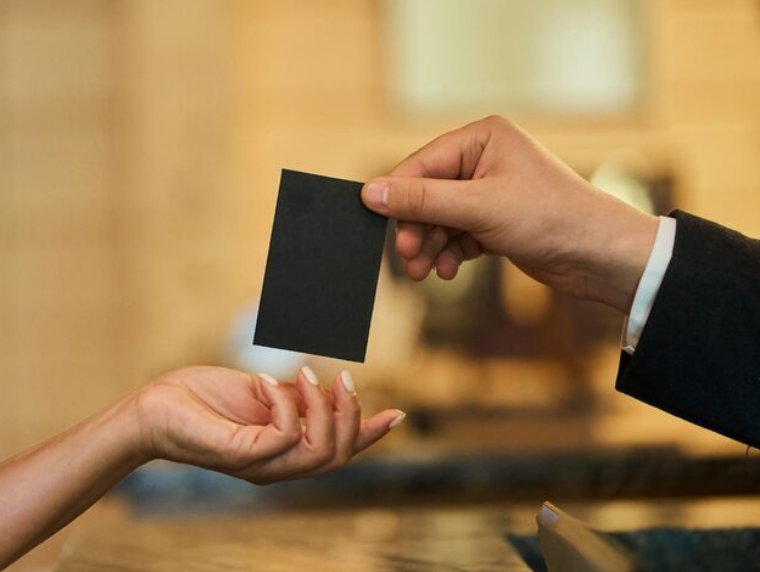
Hotels are one of the biggest adopters of wooden smart cards. Guests notice sustainability efforts, and a wooden RFID hotel card makes a strong first impression at check-in. It also gives hotels a unique branding opportunity since laser engraving allows for custom logos and room numbers right on the card itself.
Companies focused on environmental responsibility are switching employee badges and access cards to wood-based options. These custom wooden RFID cards work seamlessly with existing access control systems while reinforcing a company's sustainability messaging to employees and visitors alike.
Gyms, country clubs, and loyalty programs use RFID membership cards constantly, and members carry them for years. A wooden RFID card feels more premium and durable than a flimsy plastic one, which makes it a smart upgrade for clubs wanting to elevate their member experience.
Large events and conferences are turning to NFC wooden RFID cards for badges and access passes. They're sturdy enough to survive a multi-day event, and organizers love that they align with eco-conscious event branding.
Durability – Quality wooden RFID cards, especially bamboo cards, are surprisingly resilient and can last just as long as standard PVC cards with proper manufacturing.
Sustainability – This is the clear win for wood. PVC cards contribute to plastic waste, while wooden and bamboo alternatives are biodegradable and made from renewable materials.
Customization – Wood offers a unique laser engraving finish that gives a natural, upscale look PVC simply can't replicate.
Chip compatibility – Both card types support the same RFID chip technology, so there's no performance tradeoff when switching to sustainable access cards.
As a wooden RFID cards manufacturer, we offer laser engraving, custom shapes, and various wood finishes to match brand identity. Businesses can choose bamboo, walnut, or other wood types depending on the look and durability they need.
Which industries use wooden RFID cards the most?
Hospitality, corporate offices, membership clubs, and event management companies are the top adopters of wooden RFID cards due to their branding value and sustainability benefits.
Are wooden RFID cards as durable as plastic ones?
Yes, when manufactured properly with protective coatings, wooden RFID cards offer comparable durability to standard PVC cards for everyday use.
Do wooden RFID cards work with existing RFID readers and access systems?
Yes, wooden RFID cards use the same chip technology as plastic cards, making them fully compatible with existing RFID readers and access control systems.
What sustainability benefits do wooden RFID cards offer over plastic cards?
Wooden RFID cards reduce plastic waste, use renewable materials, and are biodegradable, making them a more environmentally responsible choice for businesses.
Can wooden RFID cards be customized with logos or designs?
Yes, wooden RFID cards support laser engraving, allowing businesses to add custom logos, text, and designs directly onto the card surface.